What Is Commercial Electrical Maintenance and What Does It Include?
Commercial electrical maintenance is the planned inspection, testing, servicing and repair of electrical systems within business premises. Its purpose is to keep electrical infrastructure safe, compliant, reliable and suitable for day-to-day operations.
For commercial and industrial sites, electrical maintenance is not simply a reactive repair service. It should help reduce avoidable downtime, identify developing faults, support compliance records and protect the long-term performance of the wider electrical installation. Nene Electrical provides electrical maintenance services for businesses across the UK.
Why commercial electrical maintenance matters
Electrical systems are used continuously across commercial premises. Over time, wear, load changes, damaged components, environmental conditions and operational changes can all affect safety and performance. Without planned maintenance, small issues can develop into disruptive faults, failed equipment or avoidable safety risks.
For facilities managers, landlords, property managers and business owners, this can support three practical outcomes: safer premises, fewer unexpected interruptions and clearer evidence that electrical systems are being managed responsibly.
What does commercial electrical maintenance include?
The exact scope depends on the type of premises, age of the installation, level of usage and risk profile. A maintenance programme may include:
- Visual inspections of electrical systems and accessories.
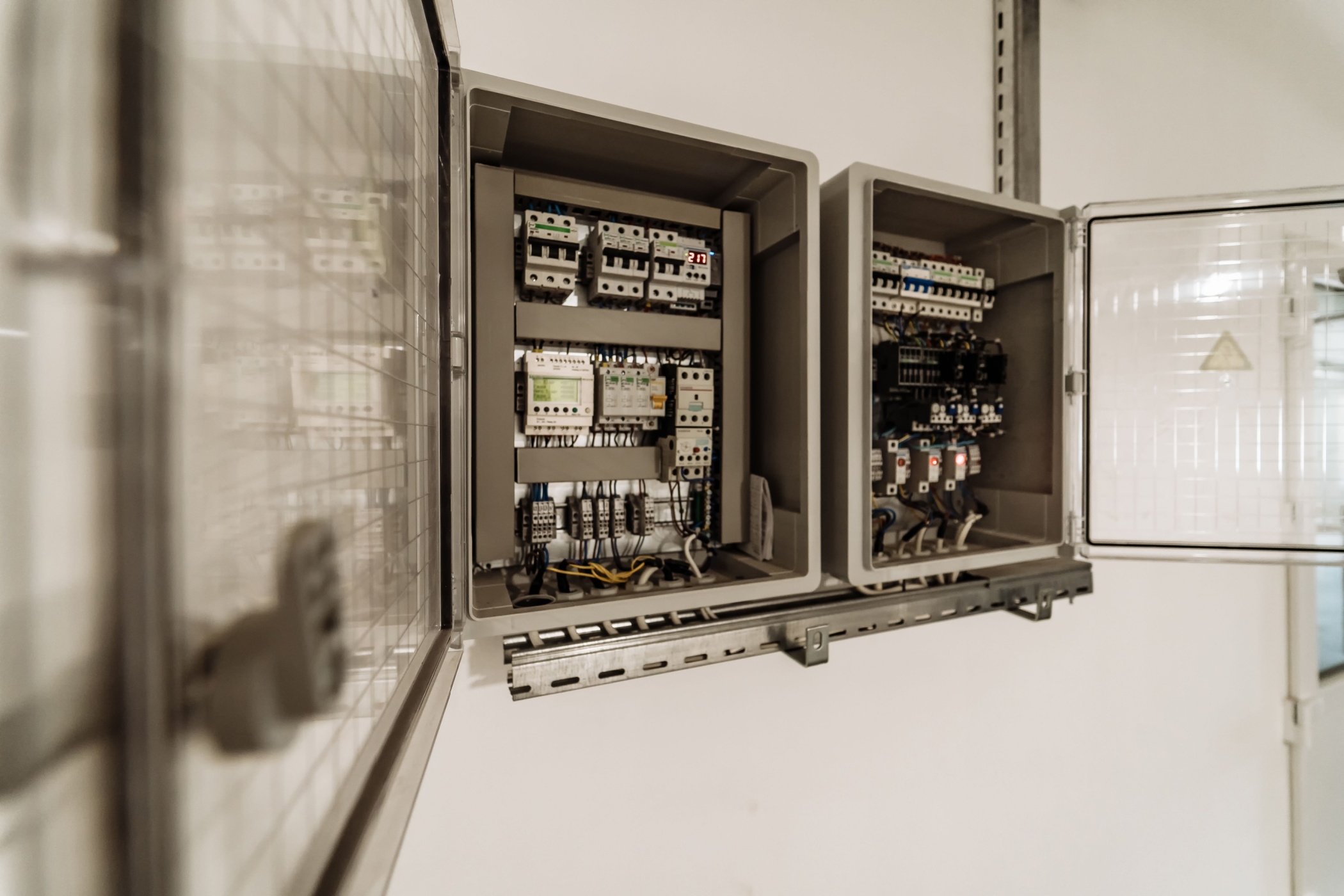
- Checks on distribution boards, circuits, containment and protective devices.
- Lighting maintenance, including internal, external and emergency lighting checks.
- Fault finding and remedial works.
- Testing and inspection where required.
- Review of electrical loads and signs of overheating, damage or deterioration.
- Support with planned upgrades, rewires or replacement components.
- Documentation to help with compliance, insurance and maintenance records.
Planned maintenance vs reactive repairs
Reactive electrical work is carried out after something fails. Planned maintenance is scheduled in advance to reduce the chance of failure. Most commercial premises need a practical balance of both, but a planned approach is usually more effective for managing risk, cost and continuity.
Where maintenance identifies ageing systems, overloaded circuits or unsuitable infrastructure, the next step may be a planned upgrade through the Electrical Installations service.
How often should commercial electrical maintenance be carried out?
There is no single maintenance frequency that applies to every commercial building. The right schedule depends on the equipment, environment, usage levels, previous inspection results and the consequences of failure.
HSE guidance states that electrical equipment should be maintained to prevent danger, and that the type and frequency of checks, inspections and testing depend on the equipment, environment and previous maintenance record. For formal inspections, testing and certification, see Nene Electrical’s Electrical Compliance service.
Signs your premises may need electrical maintenance
- Frequent tripping circuits or overloaded boards.
- Flickering or failing lighting.
- Damaged sockets, switches or accessories.
- Burning smells, heat marks or unusual noises.
- Outdated distribution boards or unclear circuit labelling.
- Recent changes in building use, machinery or occupancy.
- No clear record of recent inspection, testing or remedial work.
When to speak to a commercial electrical contractor
If your premises rely on electrical systems for trading, production, storage, safety or staff welfare, maintenance should be treated as part of operational risk management. A contractor can review your premises, identify priority maintenance requirements and recommend a schedule based on the actual risks and usage of the site.
FAQs
How often does a commercial property need an electrical inspection?
There’s no fixed UK-wide rule; it depends on the type of premises, equipment and usage. Many commercial sites schedule a formal review every 1-5 years, guided by previous inspection results and risk level.
What's the difference between electrical maintenance and an EICR?
Maintenance is the ongoing programme of checks, servicing and repairs. An Electrical Installation Condition Report (EICR) is a formal, certified inspection carried out periodically to confirm the installation remains safe.
Can electrical maintenance reduce business downtime?
Yes. Catching faults, overheating or ageing components early, before they cause a failure, is usually far less disruptive (and cheaper) than reactive repairs after an outage.
Contact Nene Electrical
Concerned about the condition of your electrical systems, or unsure when you last had them checked? Get in touch with Nene Electrical for a practical site review. We’ll flag any priority actions and recommend a maintenance schedule suited to how your premises actually operate.
📞 01327 300 456
📧 hello@nene-electrical.co.uk
What Happens After an Electrical Project Handover?
Why Is Electrical Aftercare Critical to Long-Term Performance?
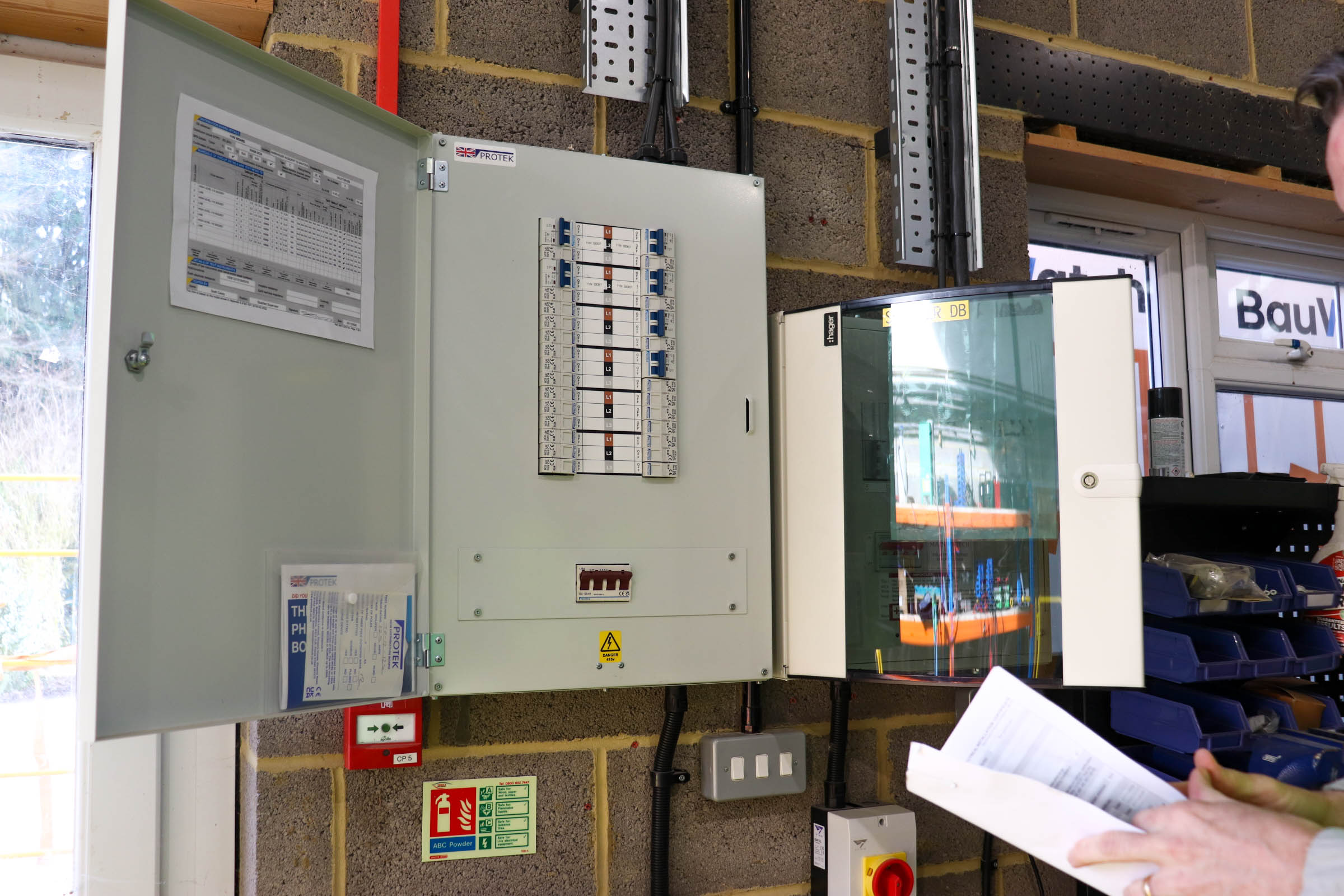
Projects are often assessed at the point of completion, when systems have been installed, tested, and formally handed over. However, this is also the point at which electrical aftercare and ongoing electrical safety testing become critical.
Handover does not mark the end of a project; it represents the transition to long-term responsibility for system performance.
Once electrical systems become operational, they move beyond controlled installation conditions and into live environments. Load demands fluctuate, occupancy patterns vary, and external factors begin to influence performance. Without structured electrical aftercare, these changes go unmanaged, leading to increased costs, higher risk of failure, and reduced asset lifespan.
What Does an Electrical Aftercare Programme Include?
An electrical aftercare programme provides structured, long-term support to ensure systems remain safe, compliant, and operationally efficient within a commercial electrical environment.
Rather than relying on reactive maintenance, electrical aftercare introduces a proactive approach, combining monitoring, maintenance, and technical support to reduce risk and protect business continuity.
A structured electrical aftercare programme typically includes:
- Planned Maintenance: A coordinated approach combining inspections, condition monitoring, and servicing to identify early signs of wear, such as loose connections, overheating, or overloaded circuits, before they lead to failure.
- Compliance and Electrical Safety Testing: Regular electrical safety testing, including Electrical Installation Condition Reports (EICR), ensures systems remain compliant with regulations and safe for continued use.
- Reactive Maintenance and Rapid Response: Access to technical support and fast-response repairs ensures faults are addressed quickly, minimising operational disruption.
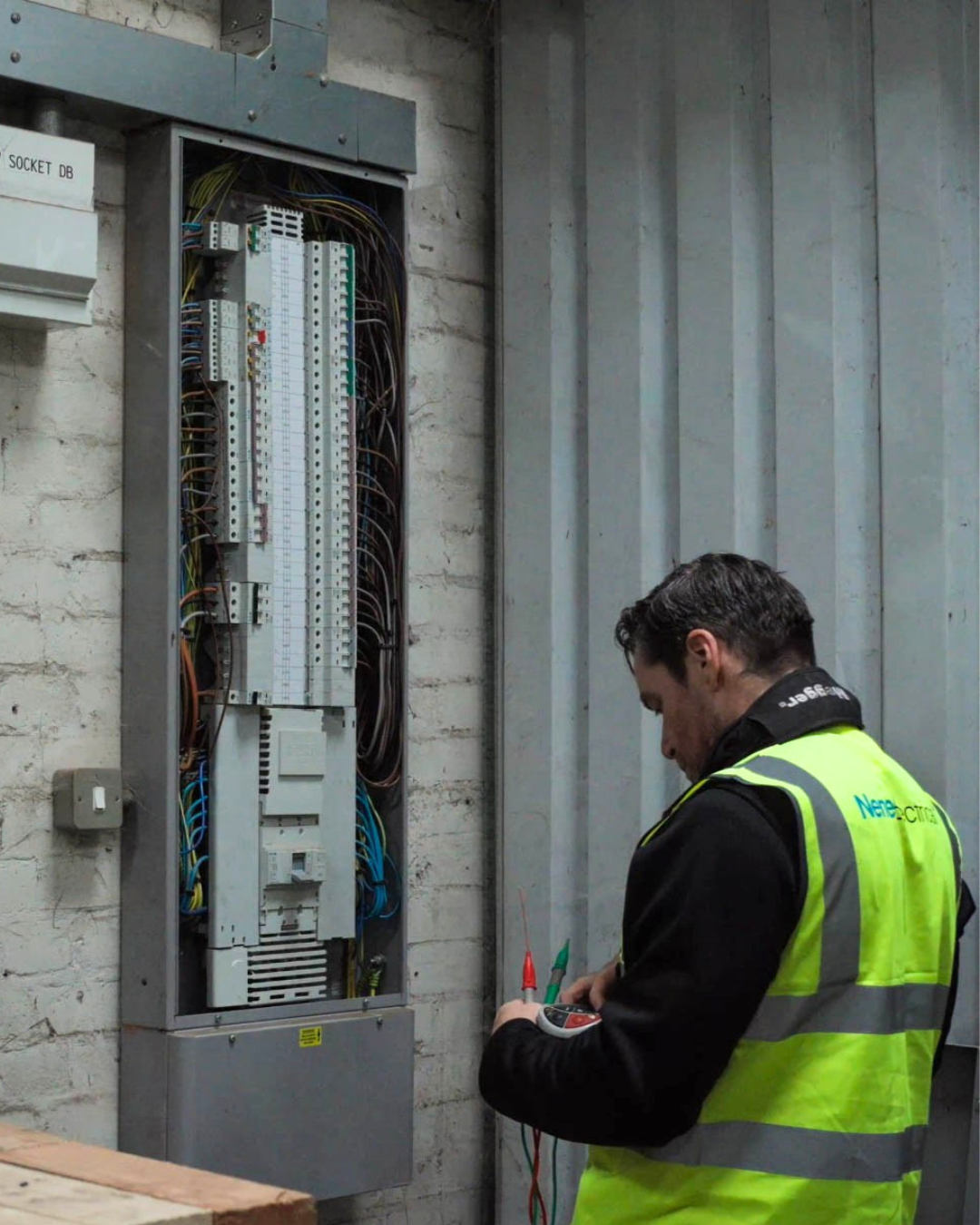
- Predictive Diagnostics and Monitoring: Techniques such as thermal imaging and system monitoring provide deeper insight into system condition, identifying issues not visible through routine checks.
- Remedial Works and System Upgrades: Addressing faults identified during maintenance, alongside targeted upgrades, ensures systems remain efficient, compliant, and aligned with operational demands.
- Reporting, Documentation, and Asset Tracking:Ongoing reporting provides visibility of system condition, maintenance history, and performance trends, supporting informed, data-led decision-making.
Should You Use the Same Contractor for Maintenance After Installation?
Once an electrical aftercare programme is in place, the quality of delivery becomes critical.Working with the original installation team provides continuity and a deeper technical understanding, supporting more effective long-term performance.
With detailed knowledge of the system’s design, configuration, and site-specific requirements, the original team can deliver maintenance with greater accuracy and efficiency.
This continuity enables:
- Faster Fault Identification and Resolution:Familiarity with the system allows issues to be diagnosed and addressed more quickly, reducing downtime and disruption.
- More Informed Maintenance Decisions: Maintenance is aligned with the original design intent, ensuring systems continue to perform as intended.
- Consistency Across Planned Maintenance Activities: Inspections, testing, servicing, and reporting are delivered through a coordinated approach, improving reliability and accountability.
- Improved Long-Term Performance Tracking:Ongoing involvement enables trends to be identified over time, supporting proactive planned maintenance.
- Clear Ownership and Accountability:A single point of responsibility ensures issues are managed effectively and without ambiguity.
Start Thinking Beyond Handover
Handover is not the end; it’s the starting point for long-term performance.
Systems that are actively managed are more reliable, efficient, and lower risk over time. For commercial electrical environments, this is a business decision, not just maintenance.
If your systems are already in operation, now is the time to review how they are being managed.
Speak to Nene Electrical about implementing a structured electrical aftercare programme and supporting long-term performance across your site.
📞 01327 300 456
📧 hello@nene-electrical.co.uk
Emergency Lighting Compliance: Your Legal Duty Under UK Fire Safety Law
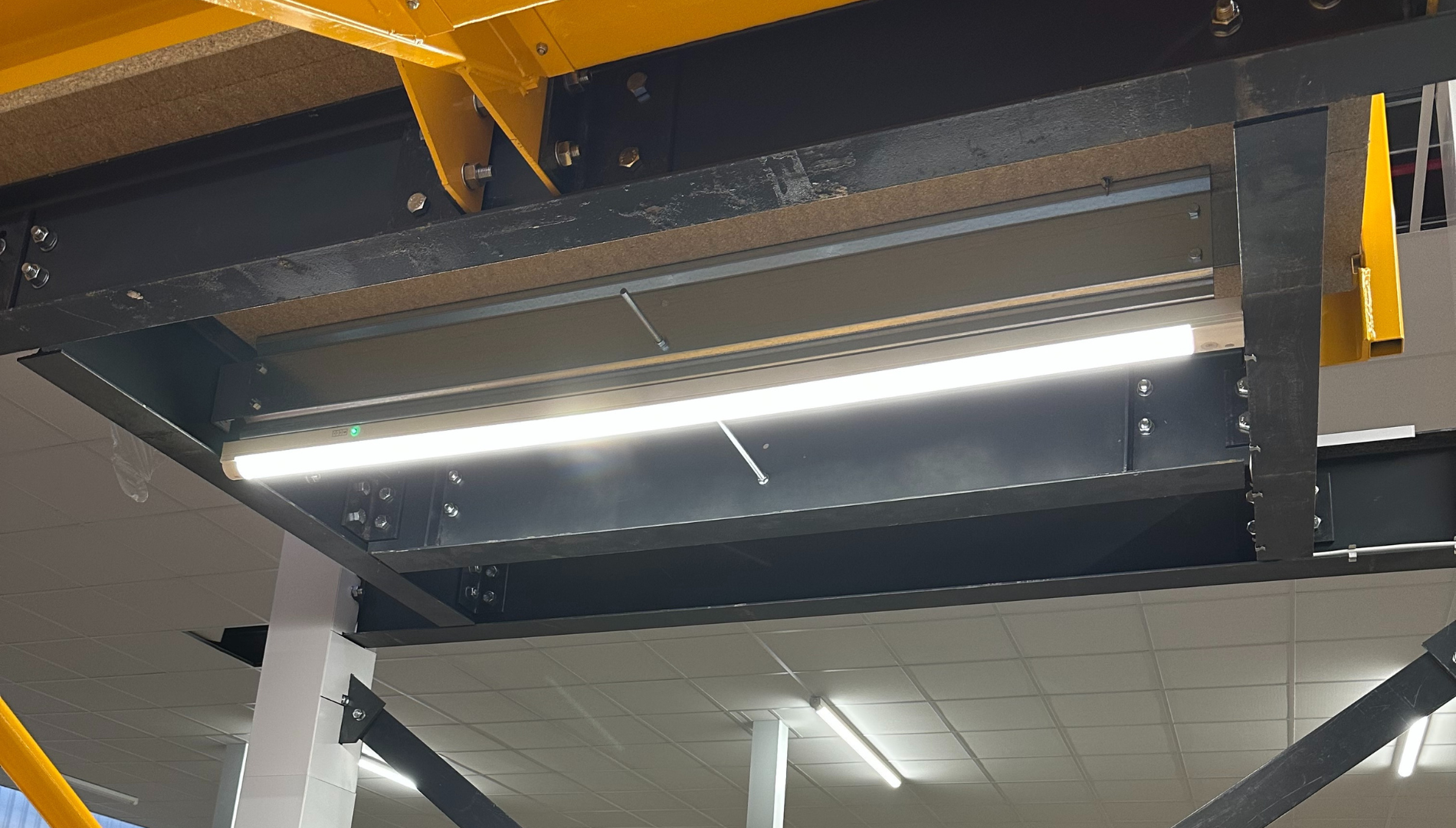
Emergency lighting is one of the most important safety systems in any building. In the event of a power cut, fire, or other emergency, it gives people a clear route to safety and the confidence to move quickly and calmly. What many businesses don’t realise is that emergency lighting isn’t simply “good practice.” It’s a legal requirement under UK fire safety law.
With the Building Safety Act 2022 and BS 5266-1, the rules are clearer and stricter than ever. Owners and managers are now directly accountable for ensuring systems are properly designed, tested, and maintained, with full records kept. Failure to comply doesn’t just risk fines or prosecution, it risks lives.
This piece looks at what the law requires, why compliance matters, and how Nene Electricals’ fully NICEIC-trained and approved team can help you stay safe, compliant, and audit-ready.
Your Legal Duty: What the Law Requires and Why
Think of emergency lighting as more than just “backup lights.” It’s a life safety system designed to:
- Guide people towards exits
- Reduce panic when things go wrong.
- Highlight firefighting equipment, call points, first-aid stations, and points of emphasis.
The legal framework is built around three core areas:
- BS 5266-1: sets out how systems must be designed, installed, and maintained.
- EN 50172: covers the testing, inspection, and operational requirements.
- The Building Safety Act 2022: ensures owners, managers, contractors, and designers are legally responsible for building safety, with criminal liability where standards are not met. For emergency lighting, this means clear, accessible records of design, testing, and maintenance must be kept to prove compliance and ensure occupant safety
The message is simple: having emergency lights is not enough. They must be designed, installed, tested, and documented correctly, or your business risks serious consequences.
Emergency Lighting: Designed for Safety
No two buildings are the same, and neither are their emergency lighting needs.
A hospital, for example, has very different requirements from a warehouse or office.
That’s why design needs to consider:
- Risk levels: high-risk areas may need higher illumination and faster response.
- Scale and complexity: larger or multi-storey buildings need carefully planned coverage.
- User profile: including visitors, vulnerable occupants, or staff working night shifts.
- Lifecycle costs: ensuring systems are not just compliant, but cost-effective to run and maintain.
- Maintenance strategy: access for servicing and availability of spare parts.
At Nene Electrical, our NICEIC-approved designers balance safety, risk, and cost to create systems that meet BS 5266-1 and fit your building’s unique needs.
Escape Route Lighting: Critical in Every Sector
In an emergency, escape routes must be clear, visible, and easy to follow. Whether in an office, warehouse, hospital, school, or data centre, the requirements are universal.
Under BS 5266-1 and BS EN 1838, requirements include:
- Minimum 1 lux along the centre line of escape routes up to 2m wide.
- Illumination at points of emphasis such as final exits, stairways, intersections, and changes in floor level.
- Visibility of firefighting equipment, call points, first aid stations, and safety signage.
- Response time of 50% illumination within 5 seconds, 100% within 60 seconds.
- Escape Route Lighting must stay on for a minimum duration of 1 hour, typically designed for 3 hours.
- Even distribution of light without glare or sharp contrasts.
These requirements ensure people can move confidently and avoid hold-ups in an emergency.
At Nene Electrical, we design escape route lighting with one goal in mind, making sure people can get out quickly, safely, and with confidence.
Testing That Keeps You Compliant
Design alone isn’t enough; regular testing is a legal requirement.
- Monthly functional tests: usually carried out by the building owner, facilities manager, or someone they appoint as the responsible/competent person. These checks confirm each unit switches to battery and recharges.
- Annual full-duration test (3 hours): must be completed by a qualified electrician to prove full performance.
- Record keeping: every test, fault, and fix must be logged for compliance.
At Nene Electrical, our NICEIC-approved team makes this simple with three options:
- Manual testing: low upfront cost but labour-intensive.
- Self-testing luminaires: built-in automated checks; however, they still require a manual check-in.
- Fully automated systems: remote monitoring, digital logbooks, and instant fault alerts. They involve a higher initial investment but deliver long-term savings and require less maintenance.
Whatever option you choose, all testing must still be recorded, and a responsible/competent person is legally required to oversee records and ensure any issues are resolved.
Why Choose Nene Electrical?
When it comes to emergency lighting, competence matters. Here’s why businesses trust us:
- NICEIC Approved: our installers and designers are fully NICEIC trained and approved, ensuring compliance with the highest industry standards.
- End-to-end service: from consultation and design through to installation, upgrades, testing, and maintenance.
- Tailored solutions: we design for your building’s specific risks, not just generic standards.
- Audit-ready records: clear documentation to satisfy inspectors and insurers.
- Future-proof systems: energy-efficient LEDs, self-test, and automated options to keep costs and risks down long term.
- Responsive support: fast repairs and servicing to keep systems reliable year-round through a maintenance contract.
Whether you need a new design, installation, testing, servicing, or guidance on your legal duties, our team is here to help.
Contact the team today and ensure your business is always safe, compliant, and prepared.