What Is Commercial Electrical Maintenance and What Does It Include?
Commercial electrical maintenance is the planned inspection, testing, servicing and repair of electrical systems within business premises. Its purpose is to keep electrical infrastructure safe, compliant, reliable and suitable for day-to-day operations.
For commercial and industrial sites, electrical maintenance is not simply a reactive repair service. It should help reduce avoidable downtime, identify developing faults, support compliance records and protect the long-term performance of the wider electrical installation. Nene Electrical provides electrical maintenance services for businesses across the UK.
Why commercial electrical maintenance matters
Electrical systems are used continuously across commercial premises. Over time, wear, load changes, damaged components, environmental conditions and operational changes can all affect safety and performance. Without planned maintenance, small issues can develop into disruptive faults, failed equipment or avoidable safety risks.
For facilities managers, landlords, property managers and business owners, this can support three practical outcomes: safer premises, fewer unexpected interruptions and clearer evidence that electrical systems are being managed responsibly.
What does commercial electrical maintenance include?
The exact scope depends on the type of premises, age of the installation, level of usage and risk profile. A maintenance programme may include:
- Visual inspections of electrical systems and accessories.
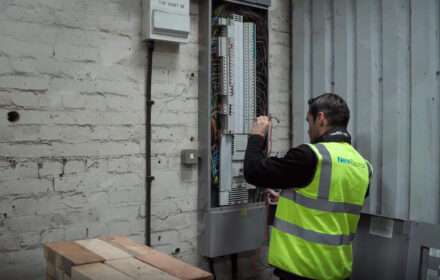
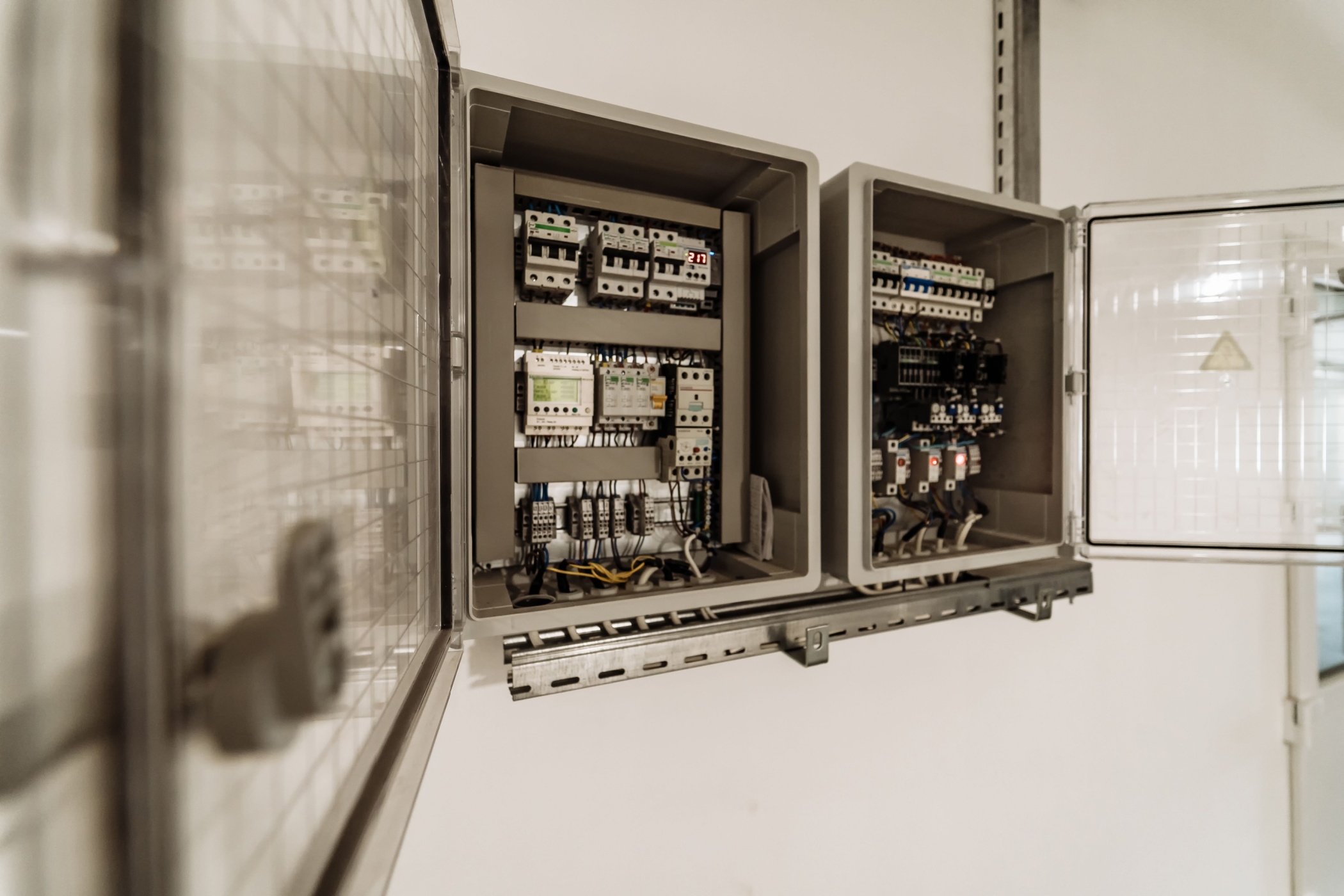
- Checks on distribution boards, circuits, containment and protective devices.
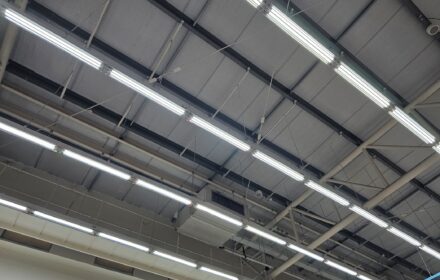
- Lighting maintenance, including internal, external and emergency lighting checks.
- Fault finding and remedial works.
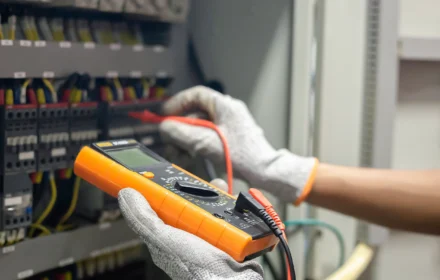
- Testing and inspection where required.
- Review of electrical loads and signs of overheating, damage or deterioration.
- Support with planned upgrades, rewires or replacement components.
- Documentation to help with compliance, insurance and maintenance records.
Planned maintenance vs reactive repairs
Reactive electrical work is carried out after something fails. Planned maintenance is scheduled in advance to reduce the chance of failure. Most commercial premises need a practical balance of both, but a planned approach is usually more effective for managing risk, cost and continuity.
Where maintenance identifies ageing systems, overloaded circuits or unsuitable infrastructure, the next step may be a planned upgrade through the Electrical Installations service.
How often should commercial electrical maintenance be carried out?
There is no single maintenance frequency that applies to every commercial building. The right schedule depends on the equipment, environment, usage levels, previous inspection results and the consequences of failure.
HSE guidance states that electrical equipment should be maintained to prevent danger, and that the type and frequency of checks, inspections and testing depend on the equipment, environment and previous maintenance record. For formal inspections, testing and certification, see Nene Electrical’s Electrical Compliance service.
Signs your premises may need electrical maintenance
- Frequent tripping circuits or overloaded boards.
- Flickering or failing lighting.
- Damaged sockets, switches or accessories.
- Burning smells, heat marks or unusual noises.
- Outdated distribution boards or unclear circuit labelling.
- Recent changes in building use, machinery or occupancy.
- No clear record of recent inspection, testing or remedial work.
When to speak to a commercial electrical contractor
If your premises rely on electrical systems for trading, production, storage, safety or staff welfare, maintenance should be treated as part of operational risk management. A contractor can review your premises, identify priority maintenance requirements and recommend a schedule based on the actual risks and usage of the site.
FAQs
How often does a commercial property need an electrical inspection?
There’s no fixed UK-wide rule; it depends on the type of premises, equipment and usage. Many commercial sites schedule a formal review every 1-5 years, guided by previous inspection results and risk level.
What's the difference between electrical maintenance and an EICR?
Maintenance is the ongoing programme of checks, servicing and repairs. An Electrical Installation Condition Report (EICR) is a formal, certified inspection carried out periodically to confirm the installation remains safe.
Can electrical maintenance reduce business downtime?
Yes. Catching faults, overheating or ageing components early, before they cause a failure, is usually far less disruptive (and cheaper) than reactive repairs after an outage.
Contact Nene Electrical
Concerned about the condition of your electrical systems, or unsure when you last had them checked? Get in touch with Nene Electrical for a practical site review. We’ll flag any priority actions and recommend a maintenance schedule suited to how your premises actually operate.
📞 01327 300 456
📧 hello@nene-electrical.co.uk