What to Consider Before a Commercial Lighting Installation
A commercial lighting installation should be planned around safety, visibility, energy performance, compliance, maintenance access and the way people actually use the space. The right lighting system can improve working conditions, reduce energy waste and make a building easier to operate and maintain.
Start with how the space is used
Lighting should support the activity taking place in the building. A warehouse aisle, production area, office, external yard, retail space and plant room all have different lighting requirements. Poor lighting can create dark spots, glare, inefficient working conditions and avoidable maintenance issues.
A good specification should consider who uses the space, what tasks they perform, when the lighting is needed, how equipment or racking affects visibility, and whether any areas need specialist lighting or emergency provision.
Check the existing electrical infrastructure
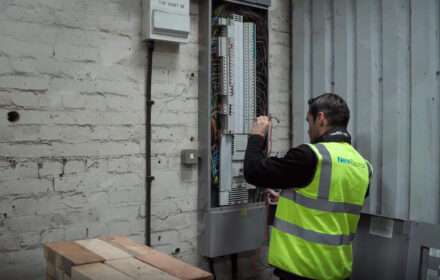
Lighting is part of the wider electrical system. Before installation, the contractor should consider the condition and capacity of existing wiring, containment, distribution boards, controls and access routes. If the wider system needs improvement, the project may need to be planned as part of a broader commercial electrical installation or upgrade.
Consider LED upgrades and energy efficiency
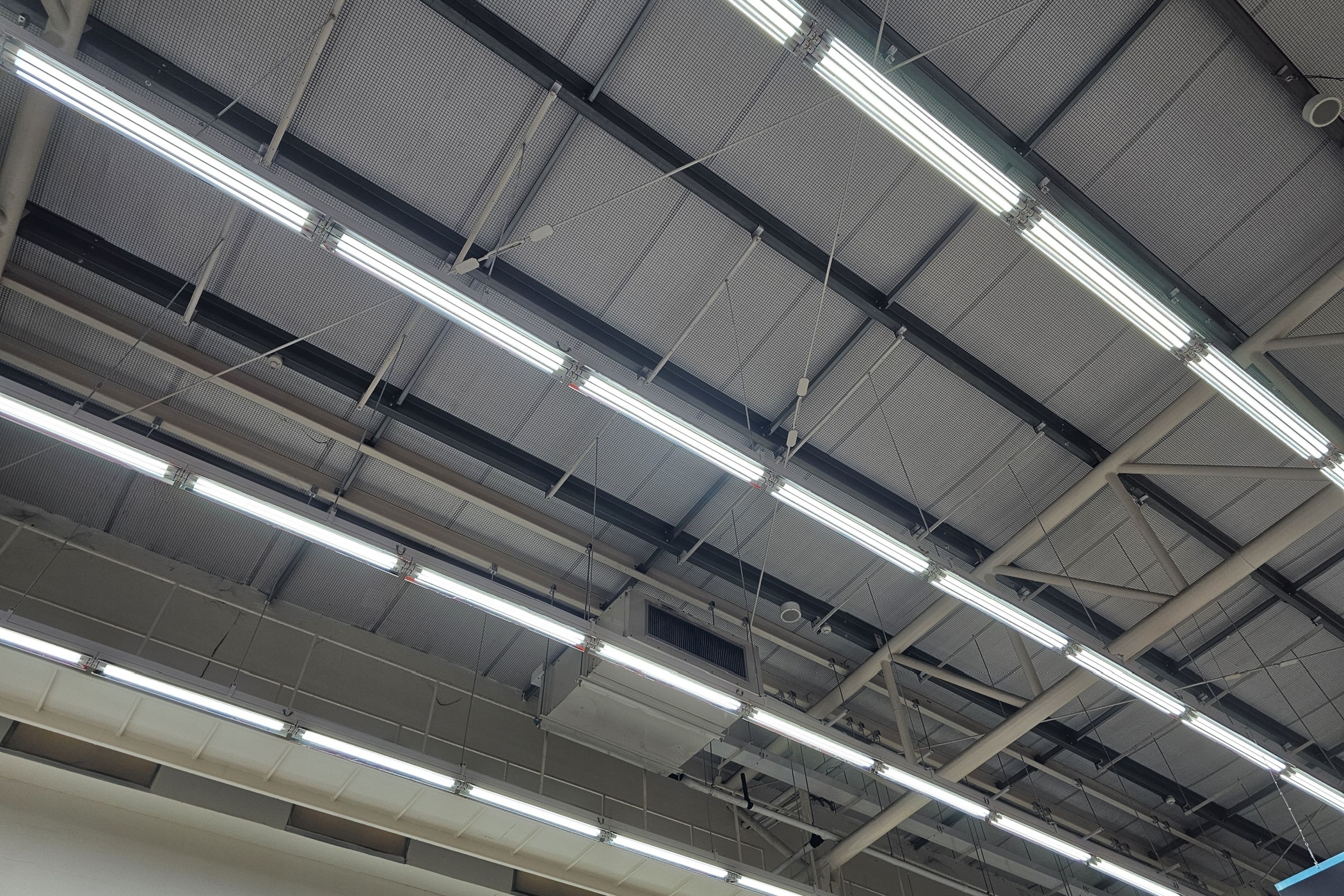
Many businesses use commercial lighting projects as an opportunity to move to LED lighting. LED systems can reduce energy use, improve lighting quality and lower maintenance demands compared with older fittings. However, the business case should consider the existing system, running hours, replacement cost, access requirements and expected operational benefit.
How often should commercial electrical maintenance be carried out?
There is no single maintenance frequency that applies to every commercial building. The right schedule depends on the equipment, environment, usage levels, previous inspection results and the consequences of failure.
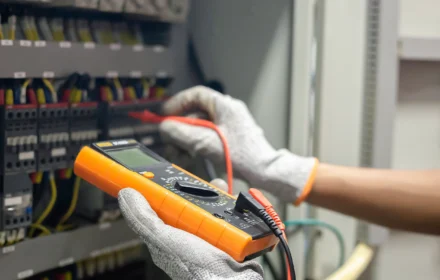
HSE guidance states that electrical equipment should be maintained to prevent danger, and that the type and frequency of checks, inspections and testing depend on the equipment, environment and previous maintenance record. For formal inspections, testing and certification, see Nene Electrical’s Electrical Compliance service.
Signs your premises may need electrical maintenance
- Frequent tripping circuits or overloaded boards.
- Flickering or failing lighting.
- Damaged sockets, switches or accessories.
- Burning smells, heat marks or unusual noises.
- Outdated distribution boards or unclear circuit labelling.
- Recent changes in building use, machinery or occupancy.
- No clear record of recent inspection, testing or remedial work.
When to speak to a commercial electrical contractor
If your premises rely on electrical systems for trading, production, storage, safety or staff welfare, maintenance should be treated as part of operational risk management. A contractor can review your premises, identify priority maintenance requirements and recommend a schedule based on the actual risks and usage of the site.
Factor in workplace and emergency lighting duties
Under the Workplace (Health, Safety and Welfare) Regulations 1992, employers must provide suitable and sufficient lighting in workplaces, and suitable and sufficient emergency lighting in any room where people would be specially exposed to danger if normal lighting failed.
This is particularly relevant in corridors, exits, stairways, high-risk work areas and spaces used outside daylight hours, so emergency lighting should be planned alongside the wider lighting design rather than treated as a separate, later consideration. It should also be reviewed regularly as part of ongoing Electrical Compliance requirements.
Think about controls, zoning and future flexibility
Controls can make commercial lighting more practical and efficient. Depending on the premises, this might include occupancy sensors, daylight dimming, time schedules, switching zones or smart lighting controls. The right approach depends on how the space is used, how often it is occupied and how much control staff need day to day.
Plan installation around business continuity
For many businesses, the installation programme is as important as the lighting design. Work may need to be phased around operating hours, production schedules, access restrictions, racking layouts or tenant requirements. A clear plan helps reduce disruption while ensuring the installation is completed safely.
Commercial lighting installation checklist
- What areas need new or upgraded lighting?
- What tasks are carried out in each area?
- Are there current issues with visibility, glare, flicker or dark spots?
- Is the existing electrical infrastructure suitable?
- Are emergency lighting requirements being reviewed?
- Could LED lighting reduce energy and maintenance costs?
- Are controls, sensors or zoning needed?
- How can installation be phased to reduce disruption?
- What testing, certification and maintenance records will be provided?
When to contact a lighting contractor
If your lighting is unreliable, inefficient, difficult to maintain or no longer suitable for how the premises are used, it is worth arranging a professional review. Nene Electrical can assess your existing system, identify practical upgrade options and plan installation work around your operational requirements.
FAQs
Is it worth upgrading to LED lighting for a commercial building?
Often, yes, LEDs typically use less energy and need less maintenance than older fittings, though the right call depends on your current system, running hours and replacement costs.
Do I need emergency lighting in every room?
No, it’s required specifically in areas where people would be at risk if normal lighting failed, such as escape routes, stairwells and high-risk work areas. A contractor can advise on which spaces apply to your premises.
How long does a commercial lighting installation take?
It varies by site size and scope, but most projects can be phased around operating hours or production schedules to minimise disruption to the business.
Contact Nene Electrical
Thinking about a lighting upgrade but not sure where to start? Speak to Nene Electrical, we’ll assess your site, talk through the practical options, and put together an installation plan that fits around how your business actually operates.
📞 01327 300 456
📧 hello@nene-electrical.co.uk