What Happens After an Electrical Project Handover?
Why Is Electrical Aftercare Critical to Long-Term Performance?
Projects are often assessed at the point of completion, when systems have been installed, tested, and formally handed over. However, this is also the point at which electrical aftercare and ongoing electrical safety testing become critical.
Handover does not mark the end of a project; it represents the transition to long-term responsibility for system performance.
Once electrical systems become operational, they move beyond controlled installation conditions and into live environments. Load demands fluctuate, occupancy patterns vary, and external factors begin to influence performance. Without structured electrical aftercare, these changes go unmanaged, leading to increased costs, higher risk of failure, and reduced asset lifespan.
What Does an Electrical Aftercare Programme Include?
An electrical aftercare programme provides structured, long-term support to ensure systems remain safe, compliant, and operationally efficient within a commercial electrical environment.
Rather than relying on reactive maintenance, electrical aftercare introduces a proactive approach, combining monitoring, maintenance, and technical support to reduce risk and protect business continuity.
A structured electrical aftercare programme typically includes:
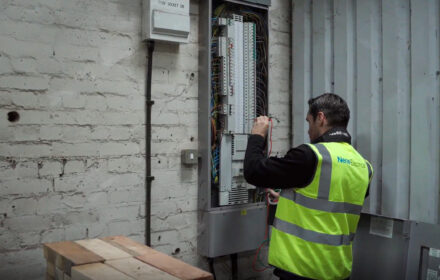
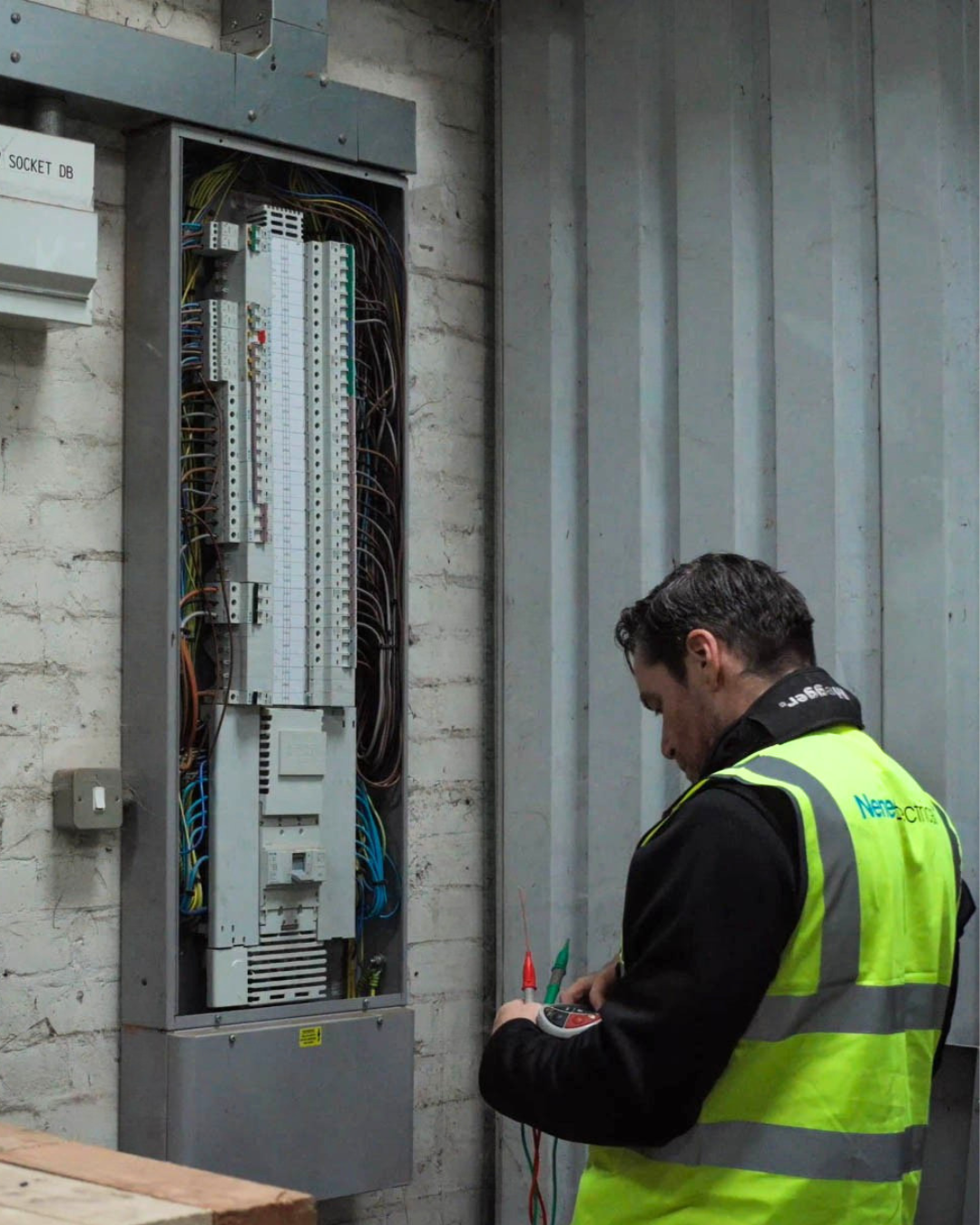
Planned Maintenance: A coordinated approach combining inspections, condition monitoring, and servicing to identify early signs of wear, such as loose connections, overheating, or overloaded circuits, before they lead to failure.
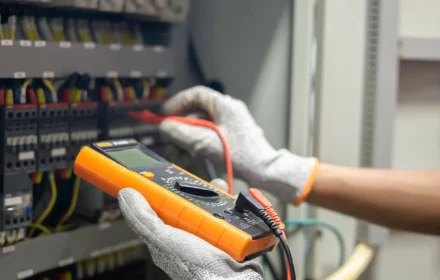
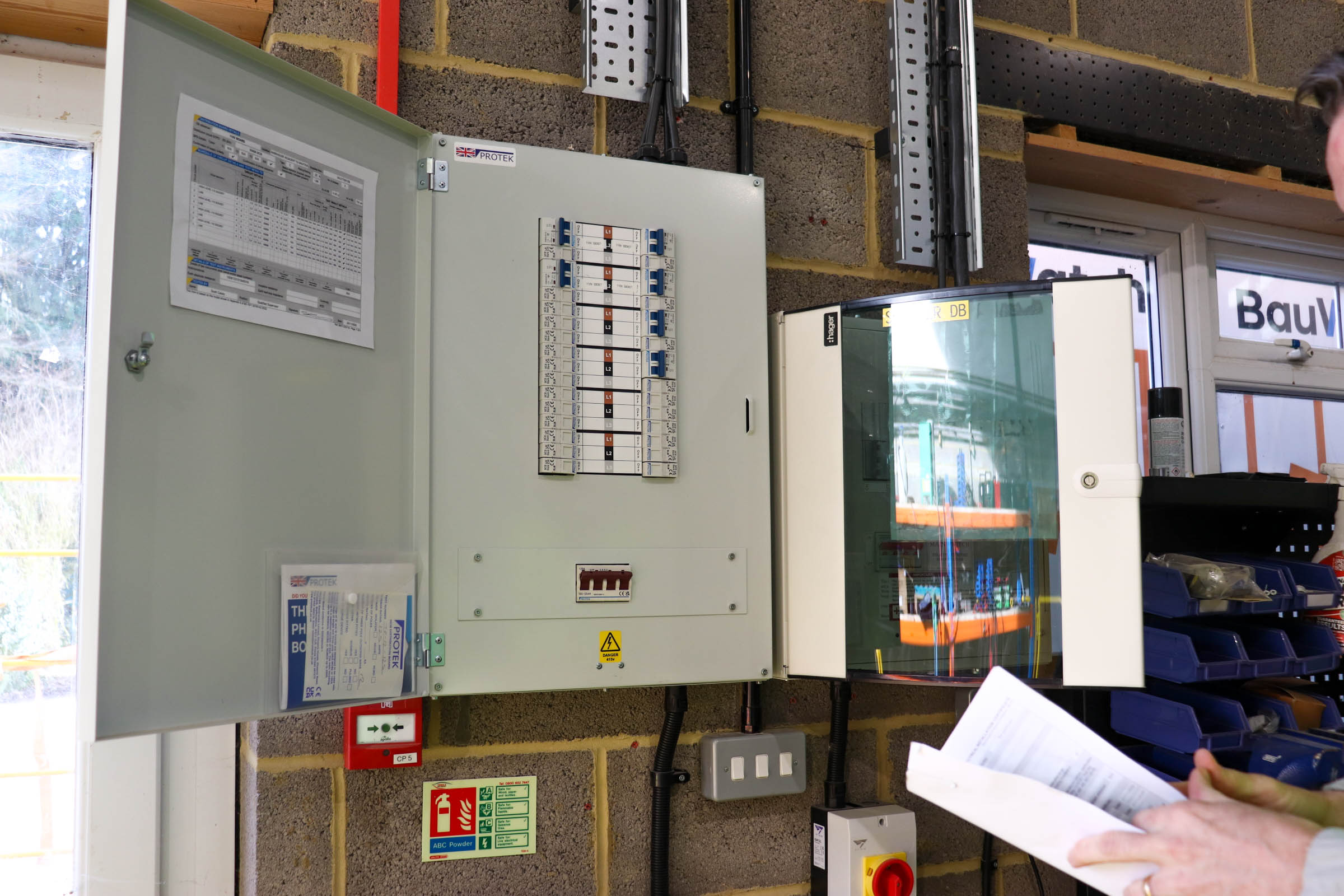
Compliance and Electrical Safety Testing: Regular electrical safety testing, including Electrical Installation Condition Reports (EICR), ensures systems remain compliant with regulations and safe for continued use.
Reactive Maintenance and Rapid Response: Access to technical support and fast-response repairs ensures faults are addressed quickly, minimising operational disruption.
Predictive Diagnostics and Monitoring: Techniques such as thermal imaging and system monitoring provide deeper insight into system condition, identifying issues not visible through routine checks.
Remedial Works and System Upgrades: Addressing faults identified during maintenance, alongside targeted upgrades, ensures systems remain efficient, compliant, and aligned with operational demands.
Reporting, Documentation, and Asset Tracking:Ongoing reporting provides visibility of system condition, maintenance history, and performance trends, supporting informed, data-led decision-making.
Should You Use the Same Contractor for Maintenance After Installation?
Once an electrical aftercare programme is in place, the quality of delivery becomes critical.Working with the original installation team provides continuity and a deeper technical understanding, supporting more effective long-term performance.
With detailed knowledge of the system’s design, configuration, and site-specific requirements, the original team can deliver maintenance with greater accuracy and efficiency.
This continuity enables:
Faster Fault Identification and Resolution:Familiarity with the system allows issues to be diagnosed and addressed more quickly, reducing downtime and disruption.
More Informed Maintenance Decisions: Maintenance is aligned with the original design intent, ensuring systems continue to perform as intended.
Consistency Across Planned Maintenance Activities: Inspections, testing, servicing, and reporting are delivered through a coordinated approach, improving reliability and accountability.
Improved Long-Term Performance Tracking:Ongoing involvement enables trends to be identified over time, supporting proactive planned maintenance.
Clear Ownership and Accountability:A single point of responsibility ensures issues are managed effectively and without ambiguity.
Start Thinking Beyond Handover
Handover is not the end; it’s the starting point for long-term performance.
Systems that are actively managed are more reliable, efficient, and lower risk over time. For commercial electrical environments, this is a business decision, not just maintenance.
If your systems are already in operation, now is the time to review how they are being managed.
Speak to Nene Electrical about implementing a structured electrical aftercare programme and supporting long-term performance across your site.
Contains custom information set by the web developer via the _setCustomVar method in Google Analytics. This cookie is updated every time new data is sent to the Google Analytics server.
2 years after last activity
__utmx
Used to determine whether a user is included in an A / B or Multivariate test.
18 months
_ga
ID used to identify users
2 years
_gali
Used by Google Analytics to determine which links on a page are being clicked
30 seconds
_gac_
Contains information related to marketing campaigns of the user. These are shared with Google AdWords / Google Ads when the Google Ads and Google Analytics accounts are linked together.
90 days
__utma
ID used to identify users and sessions
2 years after last activity
__utmt
Used to monitor number of Google Analytics server requests
10 minutes
__utmb
Used to distinguish new sessions and visits. This cookie is set when the GA.js javascript library is loaded and there is no existing __utmb cookie. The cookie is updated every time data is sent to the Google Analytics server.
30 minutes after last activity
_ga_
ID used to identify users
2 years
_gid
ID used to identify users for 24 hours after last activity
24 hours
_gat
Used to monitor number of Google Analytics server requests when using Google Tag Manager
1 minute
__utmc
Used only with old Urchin versions of Google Analytics and not with GA.js. Was used to distinguish between new sessions and visits at the end of a session.
End of session (browser)
__utmz
Contains information about the traffic source or campaign that directed user to the website. The cookie is set when the GA.js javascript is loaded and updated when data is sent to the Google Anaytics server
6 months after last activity
Marketing cookies are used to follow visitors to websites. The intention is to show ads that are relevant and engaging to the individual user.
HubSpot is an all-in-one marketing, sales, and customer service platform that streamlines business growth.
This is used with the hubspotapi cookie to remember whether the user checked the 'remember me' box (controls the expiration of the main cookie's authentication).
1 Year
__hs_opt_out
This cookie is used by the opt-in privacy policy to remember not to ask the visitor to accept cookies again.
13 months
__hs_notify_banner_dismiss
This cookie is used when the website uses a Notify consent banner type.
180 days
hubspotapi-csrf
This is used for CSRF prevention - preventing third party websites from accessing your data. Expires after a year.
1 year
hubspotapi
This cookie allows the user to access the app with the correct permissions.
7 days
__hs_do_not_track
This cookie can be set to prevent the tracking code from sending any information to HubSpot.
13 months
__hs_cookie_cat_pref
This cookie is used to record the categories a visitor consented to.
6 months
__hs_initial_opt_in
This cookie is used to prevent the banner from always displaying when visitors are browsing in strict mode.
7 days
__hs_gpc_banner_dismiss
This cookie is used when the Global Privacy Control banner is dismissed.
180 days
hs_ab_test
This cookie is used to consistently serve visitors the same version of an A/B test page they’ve seen before.
session
hs-messages-is-open
This cookie is used to determine and save whether the chat widget is open for future visits.
30 minutes
hs-messages-hide-welcome-message
This cookie is used to prevent the chat widget welcome message from appearing again for one day after it is dismissed.
1 day
__hsmem
This cookie is set when visitors log in to a HubSpot-hosted site.
1 year
hs-membership-csrf
This cookie is used to ensure that content membership logins cannot be forged.
session
messagesUtk
This cookie is used to recognize visitors who chat with you via the chatflows tool. If the visitor leaves your site before they're added as a contact, they will have this cookie associated with their browser.
13 months
hs_langswitcher_choice
This cookie is used to save the visitor's selected language choice when viewing pages in multiple languages.
2 years
__hstc
The main cookie for tracking visitors.
13 months
hubspotutk
This cookie keeps track of a visitor's identity. It is passed to HubSpot on form submission and used when deduplicating contacts.
13 months
__hssc
This cookie keeps track of sessions.
30 minutes
__hssrc
Whenever HubSpot changes the session cookie, this cookie is also set to determine if the visitor has restarted their browser.